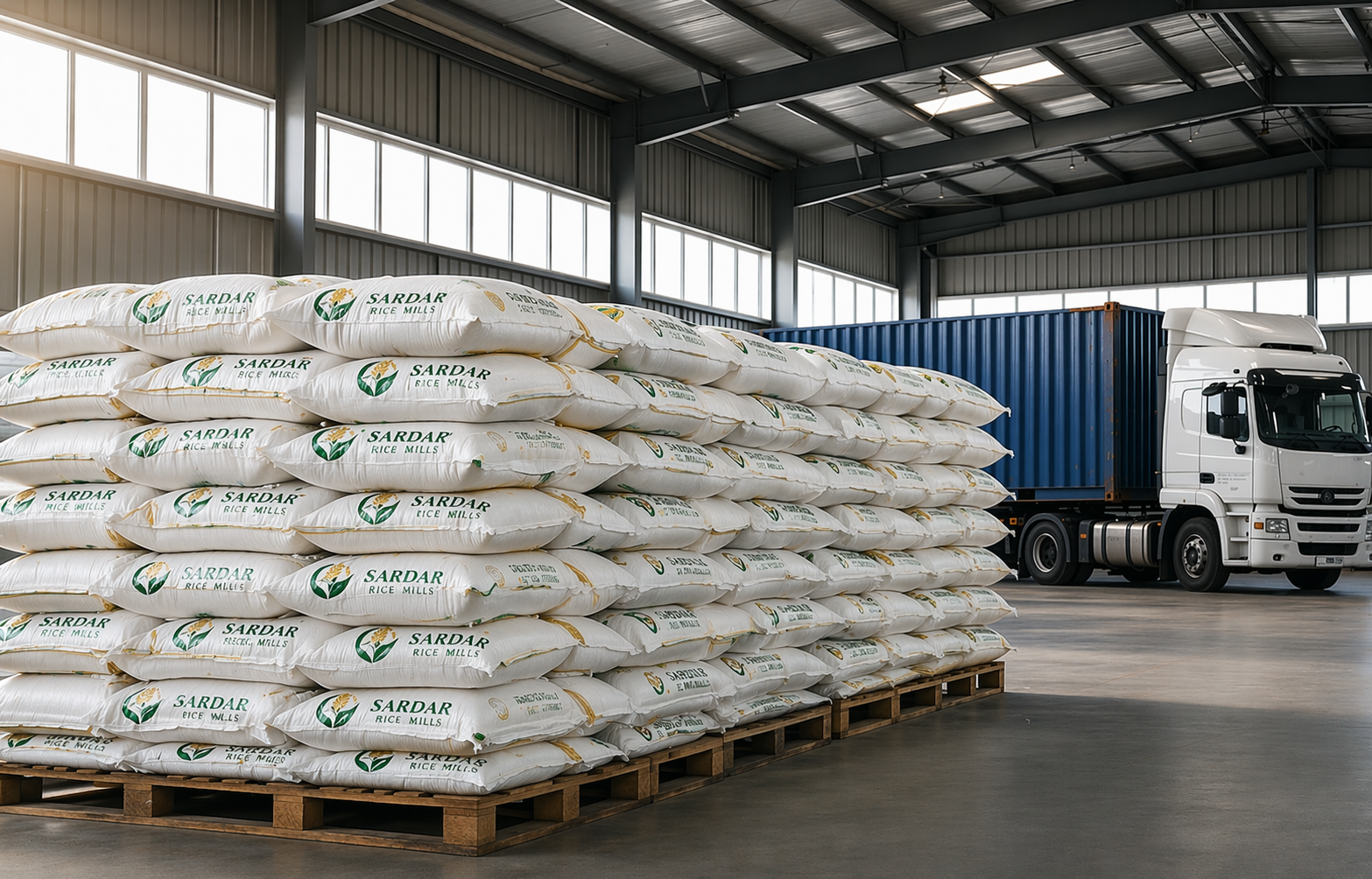
Structured documentation, on-site container loading, and direct oversight at every stage of the dispatch process.
Export capability is not just about having product to ship — it is about having the operational structure to handle a shipment correctly. At Sardar Rice Mills, container loading and sealing happens on-site, under direct supervision, with records maintained for each outbound unit.
The dispatch process begins only after a lot has cleared quality verification. Approved product is moved to the packing floor, packed per buyer specification, and then loaded and containerized in the mill's own dispatch yard. The final sealing of each container is handled by our team directly — not delegated to external parties at the point of loading.
exports@sardarricemills.net →Export packing is handled according to buyer requirements — covering pack weight, bag type, labeling language, and sealing method. Sardar Rice Mills accommodates standard 25 kg and 50 kg woven polypropylene sacks, as well as retail-format carton packing for branded export lines. Weight accuracy and seal integrity are verified for each unit before the product is moved to the loading yard.
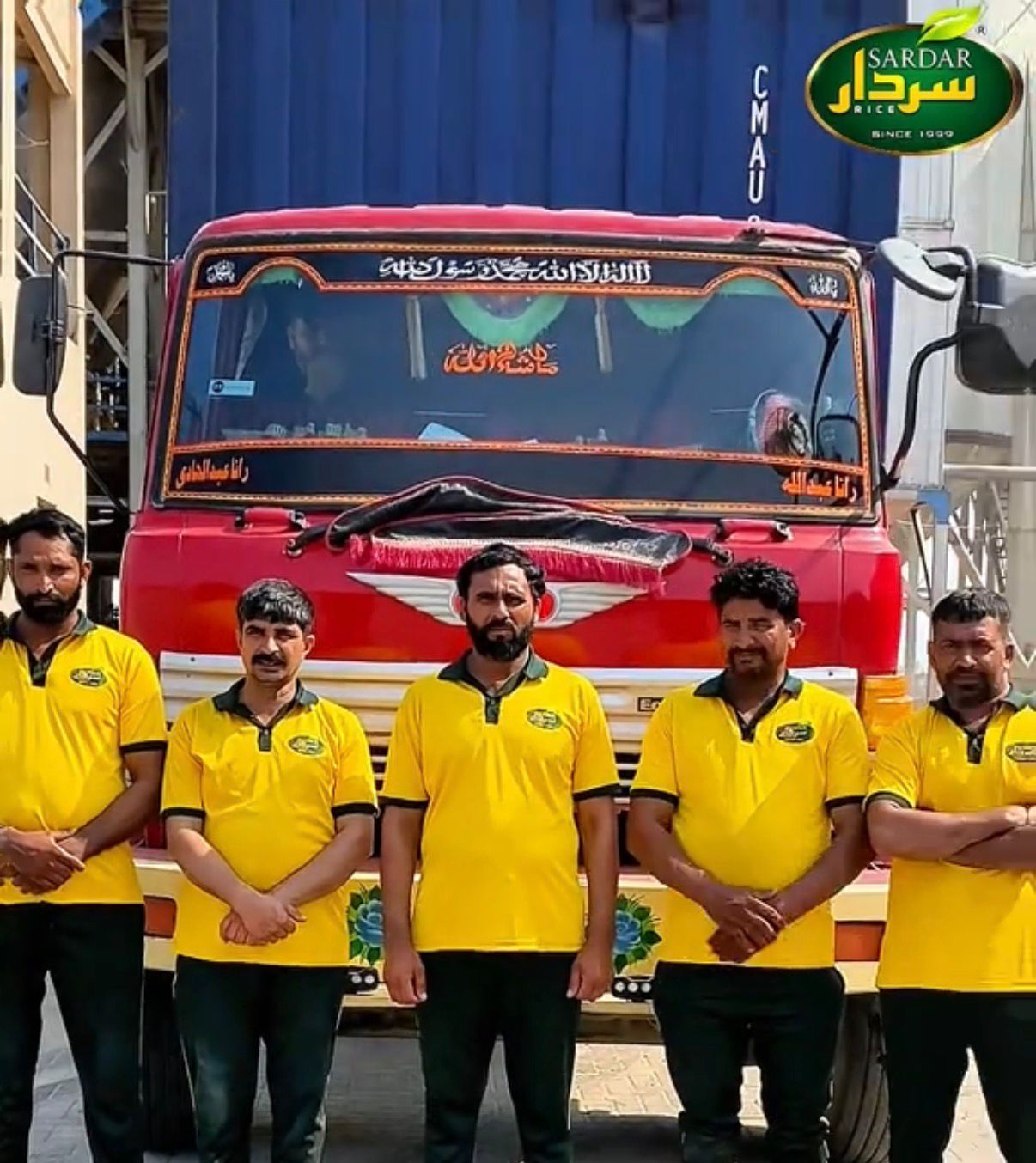
Containers are loaded at the Sardar Rice Mills facility by our own uniformed team. On-site loading means direct control over what enters the container, how it is arranged, and how it is sealed. Containers are sourced per shipment and inspected before loading begins — we do not load into containers we have not cleared internally.
Each container is sealed by our own staff at the point of loading. Sealing is documented with reference to the container number, seal number, and dispatch date. Shipment records covering lot reference, packed quantity, and dispatch details are prepared for every outbound unit and made available to buyers and their nominated inspection parties on request.
Every shipment is linked to a quality-verified lot number, connecting the dispatch record back to the in-house laboratory result that cleared the product for packing. This creates a documented chain from paddy intake through milling, quality verification, and sealed container — giving buyers full traceability without relying on third-party assurances at any stage.
Pakistan's basmati — particularly 1121 Extra Long Grain and Golden Sella — has deep, established demand across the Gulf and broader Middle East. Sardar Rice Mills produces to these specifications as standard, with consistent grain length, aroma profile, and cook quality meeting regional market expectations. We supply to importers, distributors, and institutional buyers across this corridor.
European basmati markets are quality-sensitive and increasingly evaluating supplier sustainability credentials alongside product specifications. Our 500 kW solar installation and documented quality chain position us well for buyers in this segment who require more than product compliance alone. We supply aged basmati and premium sella grades to importers and retail-pack buyers across Europe and the United Kingdom.
For regional buyers, institutional procurement, and non-basmati commodity volumes, our IRRI varieties and Value Range products cover high-volume segments with the same operational discipline applied to premium lines. Minimum order quantities, packing formats, and pricing structures for these segments are available on request through our exports team.
For pricing, specifications, and shipment terms: exports@sardarricemills.net