Sardar Rice Mills was established in 1999 in Ghakhar, Gujranwala — a town in Punjab that sits within one of Pakistan's most active rice-growing and processing regions. From its founding, the company was built with a clear orientation: quality at the processing level, supported by agricultural sourcing at the field level.
Over more than two decades of operation, the company has grown from a local milling unit to a commercial-scale rice processing facility with the infrastructure and operational capacity to serve both domestic and international buyers. The facility today includes a 12–13 ton milling unit, an in-house quality lab, organized packing and dispatch operations, and a 500 kW grid-tied solar plant.
Sardar Rice Mills is managed by the Cheema family, whose involvement in the rice trade and agricultural sector predates the mill itself. That direct connection to the field — and the understanding of what quality grain looks like before it enters the milling line — is part of what defines how the company operates.
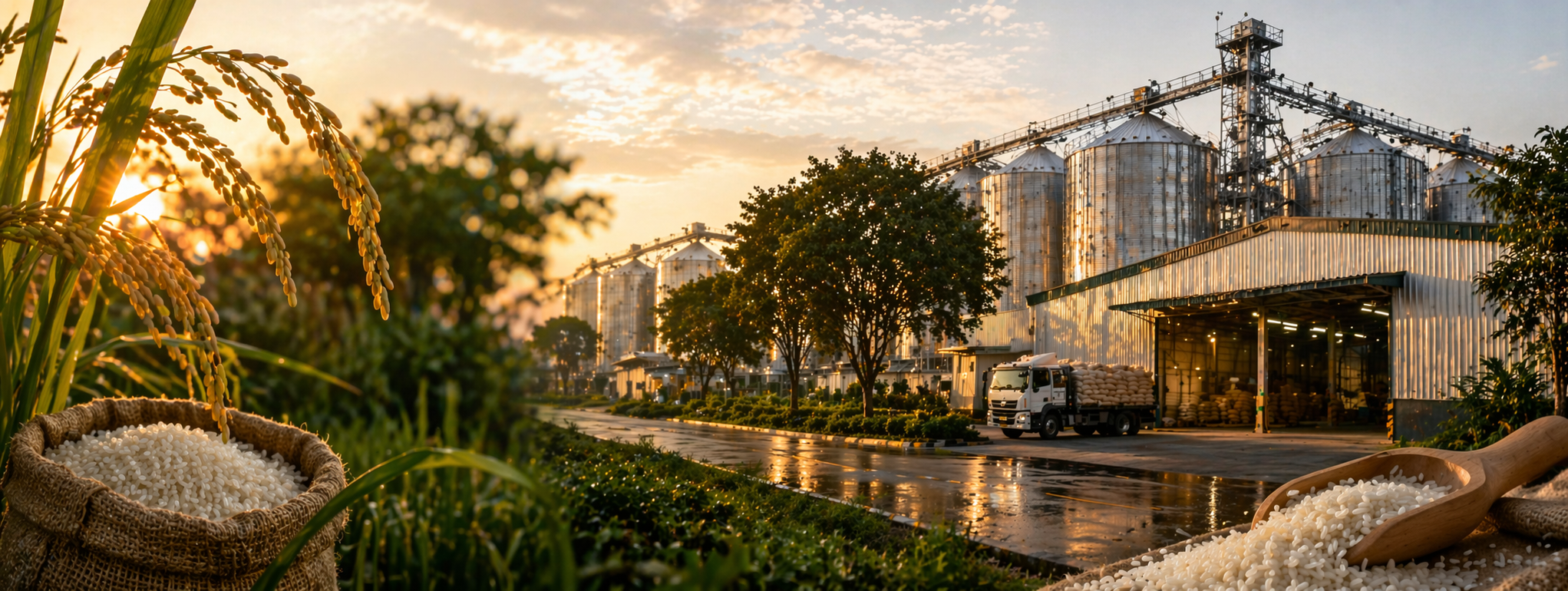
Sardar Rice Mills was established in 1999 in Ghakhar, Gujranwala — a town in Punjab that sits within one of Pakistan's most active rice-growing and processing regions. From its founding, the company was built with a clear orientation: quality at the processing level, supported by agricultural sourcing at the field level.
Over more than two decades of operation, the company has grown from a local milling unit to a commercial-scale rice processing facility with the infrastructure and operational capacity to serve both domestic and international buyers. The facility today includes a 12–13 ton milling unit, an in-house quality lab, organized packing and dispatch operations, and a 500 kW grid-tied solar plant.
Sardar Rice Mills is managed by the Cheema family, whose involvement in the rice trade and agricultural sector predates the mill itself. That direct connection to the field — and the understanding of what quality grain looks like before it enters the milling line — is part of what defines how the company operates.
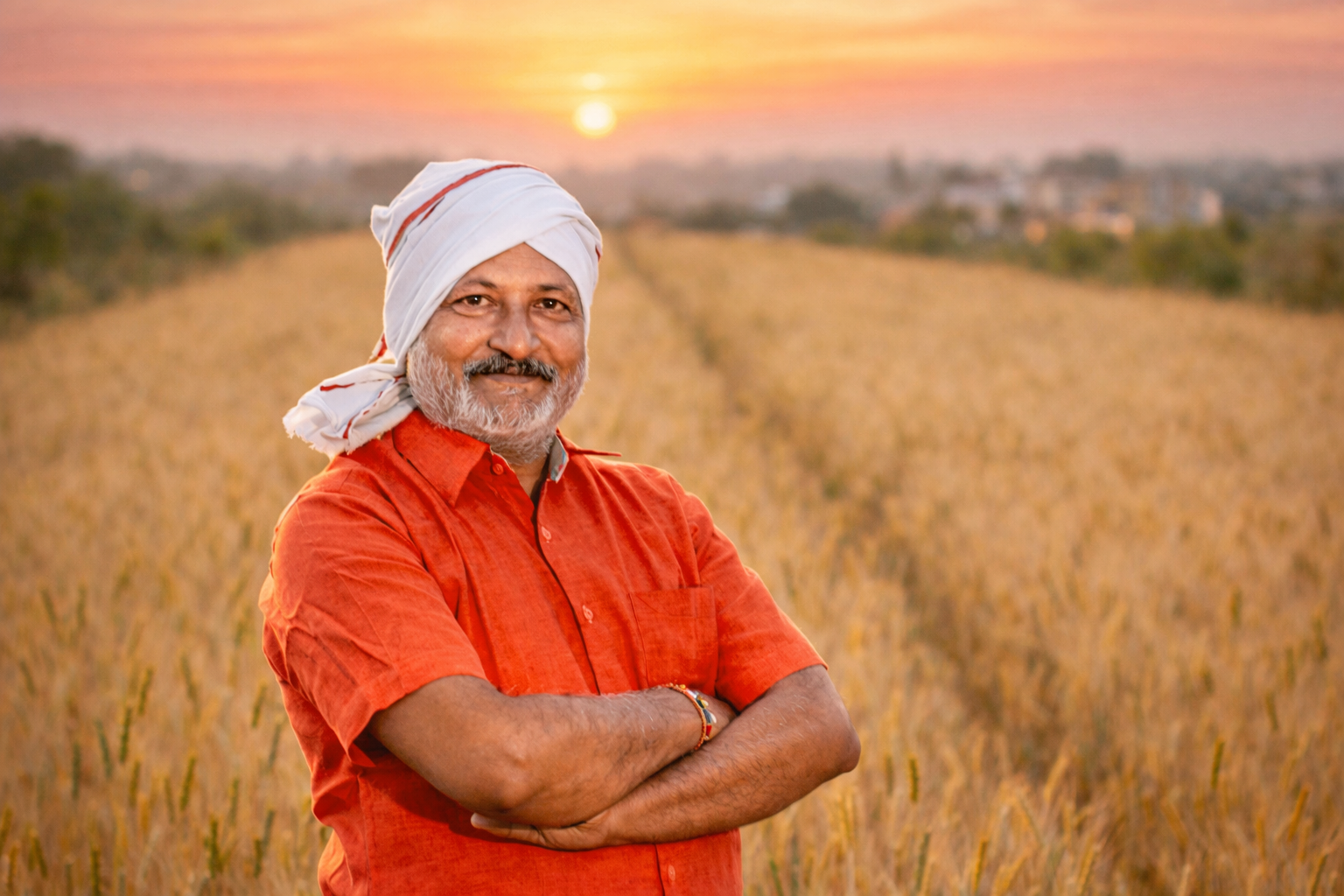
The company's position within Punjab's agricultural landscape is not incidental. The Cheema family's involvement in rice cultivation means that the procurement process begins with a direct understanding of crop quality — not with a third-party inspection at the mill gate.
Shazab Cheema oversees the agricultural side of the business, managing field operations and the procurement of paddy rice. This direct oversight of the upstream supply is one of the more meaningful aspects of how Sardar Rice Mills maintains consistency in its milled output — quality management at the source is ultimately more reliable than corrective action at the processing stage.
The mill sits surrounded by agricultural land in Ghakhar, and that proximity is intentional. Access to freshly harvested paddy during the season, combined with controlled storage and processing, contributes to consistent batch-to-batch quality.
Each member of the Cheema family holds direct functional responsibility — together covering the full span of production, finance, and agriculture.
Saadat Cheema oversees production, rice quality, and day-to-day milling operations. He holds direct responsibility for the processing floor — from intake of raw paddy through to final milled and sorted output. His focus on consistent grain standards across batches is central to how the company approaches product quality.
Shujaat Cheema manages the financial and commercial side of the business — including banking relationships, buyer negotiations, and tax and compliance matters. His role connects the operational output of the mill to the commercial structures that support trade, both domestically and in export markets.
Shazab Cheema handles agricultural operations, field management, and paddy procurement. His hands-on management of the upstream supply chain ensures that raw material entering the mill meets expected standards well before any formal quality check takes place.